
French Bulldogs Hot Spots
Rabbiosi’s French Bulldogs – French Bulldogs Hot Spots
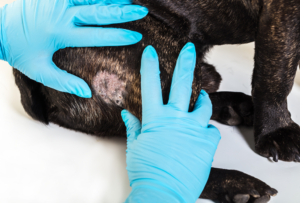 French Bulldogs are loving, playful, and loyal companions. However, their skin can be sensitive. One common skin problem that owners may face is a hot spot. At Rabbiosi’s French Bulldogs, we believe owners should understand common skin concerns so they can keep their Frenchies comfortable and healthy.
Hot spots can appear quickly and become uncomfortable fast. Therefore, early attention can make a big difference. In addition, learning what may trigger a hot spot can help you reduce the chance of another problem later.
What Are Hot Spots on French Bulldogs?
Hot spots are irritated areas of skin that can become red, moist, itchy, and painful. They may start as a small irritated area. However, scratching, licking, or chewing can quickly make the problem worse.
A hot spot may also lose hair as the dog continues to bother the area. In addition, the skin may look raw or wet. Some areas may develop an odor or discharge if an infection develops.
Because French Bulldogs can have sensitive skin, owners should check their dogs often. Fortunately, spotting skin changes early may help prevent a small irritation from turning into a larger problem.
What Do French Bulldog Hot Spots Look Like?
A hot spot often looks like a red and inflamed patch of skin. At first, you may notice your Frenchie licking or scratching one area more than normal. Then, when you look closer, you may see redness or hair loss.
Common signs can include redness, swelling, moist skin, hair loss, itching, licking, chewing, tenderness, odor, or discharge.
However, not every red skin patch is a hot spot. Allergies, infections, parasites, and other skin conditions can look similar. Therefore, contact your veterinarian when you notice a new or worsening skin problem.
Why Do French Bulldogs Get Hot Spots?
Several problems can lead to hot spots. Usually, something first causes itching or irritation. Then, the dog scratches, licks, or chews the area. As a result, the skin becomes more damaged.
French Bulldogs may develop skin irritation from allergies, moisture, fleas, insect bites, grooming problems, or environmental triggers. In addition, their skin folds can hold moisture and debris if owners do not keep them clean and dry.
Because every French Bulldog is different, the cause may not always be obvious. Therefore, finding the source of the irritation can be just as important as caring for the hot spot itself.
Allergies Can Cause Skin Irritation
Allergies are one possible reason a French Bulldog may develop itchy skin. For example, environmental triggers can include pollen, grass, dust, or mold. Some dogs may also react to certain foods or other substances.
When a Frenchie feels itchy, it may scratch or lick the same place repeatedly. As a result, the skin can become irritated and damaged. Then, bacteria may take advantage of the damaged skin.
Therefore, owners should pay attention to repeated skin problems. If hot spots keep returning, your veterinarian may recommend looking for an underlying cause rather than treating each skin problem on its own.
Moisture Can Make Skin Problems Worse
Moisture creates another concern for French Bulldogs. For example, water can remain on the skin after a bath, swimming, or playing outside in wet weather.
In addition, moisture may collect in skin folds. Because warm and damp areas can support bacterial growth, keeping your French Bulldog dry is important.
After bathing your Frenchie, gently dry the coat and skin. Also, pay close attention to folds, the neck area, and other places where moisture can hide. However, avoid rubbing irritated skin aggressively.
Check Your French Bulldog’s Skin Folds
French Bulldogs are known for their adorable wrinkles and folds. However, those same folds require regular attention.
Dirt, moisture, food particles, and natural skin oils can collect inside folds. Therefore, owners should inspect these areas often. In addition, regular care may help you notice redness before it becomes more serious.
Clean skin folds according to your veterinarian’s recommendations. Then, make sure the area dries well. Most importantly, contact your veterinarian if you notice a strong odor, discharge, sores, swelling, or ongoing redness.
Fleas and Insect Bites May Trigger Hot Spots
Even one flea bite can cause severe itching in a sensitive dog. As a result, a French Bulldog may scratch the same spot over and over.
Insect bites may also cause irritation. For example, mosquitoes and other insects can bother dogs during outdoor activities. Therefore, owners should check their Frenchies after spending time outdoors.
A veterinarian can recommend an appropriate flea and parasite prevention plan. In addition, regular skin checks can help you catch irritation before your Frenchie causes more damage through scratching.
Watch for Excessive Licking
French Bulldogs naturally lick themselves from time to time. However, constant licking of one spot deserves attention.
Repeated licking can damage the skin and add moisture to the area. Therefore, the licking itself can make an existing problem worse.
If your Frenchie keeps returning to the same area, gently inspect the skin. Look for redness, swelling, hair loss, moisture, cuts, or bites. Then, contact your veterinarian if the problem continues or looks painful.
Grooming Helps You Spot Problems Early
Regular grooming offers more than a clean coat. It also gives you a chance to inspect your French Bulldog from nose to tail.
While grooming, look at the skin beneath the coat. In addition, check the paws, belly, neck, tail area, ears, and skin folds.
Because hot spots can develop quickly, frequent checks are helpful. You may notice a small red area before your dog starts scratching it heavily. Therefore, grooming can become an important part of preventive care.
Keep Your French Bulldog Clean and Dry
Good hygiene can help support healthy skin. However, bathing too often or using harsh products may also irritate sensitive skin.
Therefore, ask your veterinarian which bathing schedule and products work best for your French Bulldog. Use gentle dog-safe products and rinse the coat thoroughly. Then, dry your Frenchie carefully.
In addition, wash bedding regularly. Clean bedding helps reduce dirt, allergens, and other materials that may irritate sensitive skin.
Nutrition Supports Healthy Skin
A balanced diet supports a French Bulldog’s overall health, including the skin and coat. Therefore, quality nutrition should remain an important part of daily care.
At Rabbiosi’s French Bulldogs, we place a strong focus on nutrition. Our dogs enjoy Volhard Nutrition, which uses whole-food ingredients.
However, every dog’s nutritional needs can differ. In addition, some dogs may have food sensitivities or other special needs. Therefore, owners should discuss ongoing skin issues and dietary concerns with their veterinarian before making major changes.
What Should You Do If You Find a Hot Spot?
If you find an irritated area, try to prevent your French Bulldog from scratching or chewing it further. However, avoid applying random creams, sprays, essential oils, or human medications without veterinary guidance.
Some products can irritate damaged skin. In addition, certain human medications can be unsafe for dogs.
Instead, contact your veterinarian for advice. A veterinarian can examine the area and determine whether your Frenchie needs cleaning, medication, itch control, or another treatment.
Most importantly, veterinary care can help identify the cause. Without addressing the original trigger, the problem may return.
When Should You Call Your Veterinarian?
Some minor skin irritation may seem small at first. However, hot spots can spread quickly. Therefore, it is wise to contact your veterinarian when an area becomes raw, painful, wet, swollen, or larger.
You should also seek veterinary advice if you notice discharge, a bad odor, bleeding, severe itching, or signs that your dog feels unwell. In addition, recurring hot spots deserve professional attention.
A veterinarian can check for allergies, parasites, bacterial infections, yeast, or other skin problems. As a result, your Frenchie can receive care based on the actual cause.
Do Not Ignore Changes in Behavior
Skin problems do not always begin with an obvious red patch. Sometimes, behavior provides the first clue.
For example, your French Bulldog may become restless or stop playing to scratch. Your dog may also rub against furniture, lick its paws, or chew one area repeatedly.
Therefore, watch for changes in normal habits. Frenchies cannot tell us that their skin hurts or itches. However, their behavior can provide important clues.
Can You Prevent Every Hot Spot?
Unfortunately, no owner can prevent every skin problem. However, good daily care can lower many common risks.
Regular grooming, parasite prevention, good nutrition, clean bedding, and careful skin checks all help. In addition, keeping your Frenchie dry after baths or wet outdoor activities can reduce excess moisture.
Most importantly, learn what is normal for your dog. When you know how your Frenchie’s skin usually looks and feels, you can spot changes much faster.
French Bulldogs and Seasonal Skin Problems
Seasonal changes can affect sensitive dogs. For example, spring and summer may bring pollen, grasses, insects, and warmer weather. Meanwhile, wet weather may increase moisture around paws and skin folds.
Indoor conditions can also affect the skin. For instance, dry heated air during colder months may contribute to dry or irritated skin in some dogs.
Therefore, pay attention to patterns. If your French Bulldog develops skin problems during the same season each year, discuss the pattern with your veterinarian.
Check the Paws After Outdoor Play
French Bulldogs may pick up pollen, dirt, grass, and other materials while walking or playing outdoors. Therefore, checking the paws after outside activities is a simple habit that may help.
Look between the toes and around the paw pads. In addition, watch for redness or frequent paw licking.
If needed, follow your veterinarian’s advice for safely cleaning the paws. Then, dry them well. Again, moisture trapped between the toes can create additional irritation.
Avoid Harsh Household Products
French Bulldogs spend plenty of time close to floors, rugs, blankets, furniture, and bedding. Therefore, products used around the home may come into contact with their skin.
Strong fragrances or harsh cleaning products may bother some sensitive dogs. In addition, lawn and garden products can come into contact with paws and bellies.
Whenever possible, follow product directions carefully and keep your Frenchie away from treated areas until they are safe for pets. Moreover, talk with your veterinarian if you suspect a household or outdoor product is causing irritation.
A Healthy Frenchie Starts With Daily Attention
French Bulldogs depend on their families to notice small changes. Fortunately, daily attention does not need to take much time.
While petting your Frenchie, feel for unusual bumps, damp areas, or tender spots. In addition, look beneath the coat when you notice frequent scratching.
Check the ears, paws, belly, neck, face folds, and tail area regularly. Therefore, you can often catch changes before they become harder to manage.
Rabbiosi’s French Bulldogs Focuses on Healthy Puppies
At Rabbiosi’s French Bulldogs, we have raised French Bulldogs as part of our family since 2014. Our dogs live in our home and receive the attention, care, and love that this special breed deserves.
In addition, we focus on health and responsible breeding. We use health testing through trusted resources such as UC Davis or Paw Print Genetics. We also believe proper nutrition and daily care play important roles throughout a French Bulldog’s life.
Our puppies go to their new families with AKC registration and pedigree information, a microchip, and vaccinations and deworming kept current for their age. In addition, our puppy package includes health and DNA information.
However, responsible French Bulldog ownership continues long after puppy pickup. New owners should build a relationship with a trusted veterinarian and learn their Frenchie’s individual health needs.
Learn Your French Bulldog’s Normal Skin
Every French Bulldog has its own coat, skin, habits, and sensitivities. Therefore, one of the best things an owner can do is learn what looks normal for that individual dog.
Check your Frenchie’s skin during grooming, cuddle time, and after outdoor play. In addition, pay attention to new scratching, licking, rubbing, or chewing.
When something changes, act early. A small irritated area may be easier to address before your dog has time to make it worse.
Caring for French Bulldogs With Sensitive Skin
French Bulldogs bring enormous personalities into compact bodies. However, their skin can require extra care and attention.
Hot spots can happen for many reasons, including moisture, allergies, parasites, insect bites, and repeated scratching. Therefore, prevention starts with regular skin checks and good everyday care.
Keep your Frenchie clean, dry, well-groomed, and protected from parasites. In addition, provide balanced nutrition and watch for unusual behavior. Most importantly, contact your veterinarian when skin irritation becomes painful, spreads, keeps returning, or does not improve.
At Rabbiosi’s French Bulldogs, we believe education helps families provide better lifelong care. With close attention, proper veterinary support, and plenty of love, you can help your French Bulldog stay comfortable, happy, and ready for the next adventure.