
French Bulldogs Allergies
Rabbiosi’s French Bulldogs – French Bulldogs Allergies
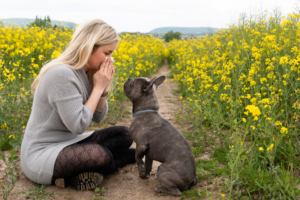 French Bulldogs make loving, playful, and loyal family companions. However, like many breeds, they can develop allergies. In fact, French Bulldog allergies may affect the skin, ears, paws, coat, and digestive system. Therefore, knowing the common warning signs can help owners act early.
At Rabbiosi’s French Bulldogs, we believe good health starts with careful breeding, proper nutrition, regular grooming, and daily attention. Additionally, owners should learn what is normal for their Frenchie. When you know your dog well, you can often notice changes before a problem becomes more serious.
Allergies can have many causes. For example, some French Bulldogs react to certain foods. Others may react to pollen, grass, dust, mold, fleas, or products used around the home. Because the symptoms can look similar, finding the actual cause may take time.
What Are French Bulldog Allergies?
An allergy happens when a dog’s immune system reacts to something in its environment or diet. Normally, that substance may cause no problem. However, an allergic dog can have an unwanted reaction after coming into contact with it.
For French Bulldogs, skin problems are often one of the first signs owners notice. For instance, your Frenchie may scratch more than usual. In addition, the dog may lick its paws, rub its face, or develop red skin.
Allergies can also cause ear trouble. Therefore, repeated ear irritation or infections may need more attention than simply treating the ears.
Most importantly, do not assume every itch comes from an allergy. Parasites, infections, dry skin, and other health problems can cause similar symptoms. For that reason, talk with your veterinarian when symptoms continue or become severe.
Common Signs of Allergies in French Bulldogs
French Bulldogs cannot tell us when their skin feels itchy or uncomfortable. Instead, owners need to watch for changes in behavior and appearance.
Common allergy symptoms may include:
- Frequent scratching
- Paw licking or chewing
- Red or irritated skin
- Face rubbing
- Hair loss or thinning
- Recurring ear irritation
- Head shaking
- Watery eyes
- Sneezing
- Skin bumps or rashes
- Digestive upset
- Loose stool
- Excessive licking
- Changes in coat condition
Additionally, you may notice a strong smell from the skin or ears. This odor can sometimes occur when irritated skin develops a secondary yeast or bacterial infection.
Because French Bulldogs have skin folds, owners should also check these areas often. Moisture and debris can collect inside folds. As a result, irritation may become worse when the skin already feels sensitive.
Environmental Allergies in French Bulldogs
Environmental allergens surround dogs every day. Therefore, avoiding them completely may not always be possible.
Common environmental triggers can include pollen, grass, weeds, trees, mold, mildew, dust, and dust mites. Additionally, some household products may irritate sensitive dogs.
Seasonal changes can provide an important clue. For example, a French Bulldog that becomes itchy every spring may react to something outdoors. On the other hand, symptoms that continue throughout the year may point toward an indoor trigger or another cause.
After outdoor play, consider wiping your Frenchie’s paws and coat with a clean, damp cloth. This simple step may remove some pollen, grass, and dirt before your dog spreads it around the house.
Likewise, wash dog bedding regularly. Vacuuming and keeping floors clean may also reduce dust and other particles in your Frenchie’s living area.
Food Allergies and Food Sensitivities
Food can sometimes play a role in skin or digestive problems. However, identifying a food allergy is not always as easy as changing brands.
A dog can react to an ingredient it has eaten before. Therefore, owners should not assume that a familiar food cannot cause a problem.
Possible food-related symptoms may include itching, paw licking, recurring ear problems, vomiting, gas, or loose stool. Still, these signs can have many other causes.
For that reason, work with your veterinarian before making major dietary changes. A veterinarian may recommend a carefully controlled elimination diet when a food reaction is suspected. During this process, following the diet correctly matters because extra treats or flavored products can affect the results.
Additionally, avoid constantly switching foods without a plan. Frequent changes may make it harder to identify what is causing the problem.
Nutrition Is an Important Part of French Bulldog Care
Good nutrition supports the skin, coat, digestion, and overall health of a French Bulldog. Therefore, we take nutrition seriously at Rabbiosi’s French Bulldogs.
Our dogs enjoy Volhard Nutrition, which focuses on whole-food nutrition. We value a thoughtful approach to feeding because nutrition plays an important role throughout a dog’s life.
However, every French Bulldog is an individual. A food that works well for one dog may not be ideal for another. Therefore, owners should watch their dog’s weight, stool, coat, energy, and skin condition.
If you suspect your Frenchie has a food-related problem, speak with your veterinarian. Together, you can develop a feeding plan based on your dog’s specific needs.
French Bulldog Paw Licking and Allergies
Paw licking is one of the behaviors owners often notice first. Of course, occasional licking is normal. Constant licking, chewing, or biting deserves closer attention.
Environmental allergens can collect on a dog’s feet after walking outside. Therefore, grass, pollen, dirt, and other substances may contribute to irritation.
Check between the toes as well. Look for redness, swelling, sores, or unusual odor. Additionally, make sure the paws stay clean and dry.
After walks, gently wiping the feet may help remove outdoor debris. However, persistent paw problems should receive veterinary attention. Your veterinarian can check for allergies, infections, injuries, or other causes.
Ear Problems May Be Connected to Allergies
French Bulldog owners should pay close attention to their dog’s ears. Allergies can sometimes contribute to repeated ear inflammation.
Watch for head shaking, ear scratching, redness, odor, discharge, or discomfort when touching the ears. Additionally, your Frenchie may tilt its head or rub an ear against furniture or carpet.
Do not repeatedly treat ear problems at home without knowing the cause. Instead, have ongoing or painful ear problems checked by a veterinarian.
Ear infections can involve yeast, bacteria, or other problems. Therefore, proper diagnosis helps your veterinarian choose suitable treatment.
Skin Folds Need Regular Attention
One of the most recognizable features of a French Bulldog is its adorable face. However, facial folds require routine care.
Moisture, food particles, dirt, and other debris can collect between the folds. As a result, sensitive skin may become irritated.
Check your Frenchie’s folds regularly. Keep them clean and dry, and watch for redness, odor, swelling, or discharge.
Additionally, avoid using harsh products unless your veterinarian recommends them. Sensitive skin may react poorly to strongly scented or irritating products.
Routine care can help you spot changes quickly. Therefore, fold cleaning should become part of your French Bulldog’s normal grooming schedule.
Fleas Can Cause Major Itching
Even one flea can create significant discomfort in a sensitive dog. Flea allergy dermatitis occurs when a dog reacts to flea saliva.
As a result, an affected dog may scratch, chew, or lick intensely. The irritation often affects the back, tail area, legs, or other parts of the body.
Because fleas can be difficult to spot, owners sometimes assume the problem has another cause. Therefore, discuss safe flea prevention with your veterinarian.
Additionally, treat the dog’s environment when necessary. Fleas can live in bedding, carpets, furniture, and outdoor areas.
Keep Your French Bulldog’s Environment Clean
A clean home can support a Frenchie’s comfort, especially when environmental allergens are a concern.
First, wash bedding and blankets regularly. Next, vacuum areas where your dog spends the most time. Also, clean food and water bowls frequently.
Furthermore, consider fragrance-free cleaning products when possible. Strong fragrances and harsh chemicals may bother some sensitive dogs.
Keep your French Bulldog’s sleeping area dry as well. Moisture can encourage mold and mildew, which may become environmental triggers.
Although cleaning cannot eliminate every allergen, it can reduce the amount your dog encounters each day.
Bathing a French Bulldog With Sensitive Skin
Bathing helps remove dirt and environmental material from the coat. However, too much bathing or the wrong shampoo can dry the skin.
Therefore, choose grooming products carefully. Your veterinarian may recommend a shampoo based on your dog’s skin condition.
Use lukewarm water rather than very hot water. Additionally, rinse the coat thoroughly because leftover shampoo can irritate the skin.
Afterward, dry your French Bulldog carefully. Pay special attention to skin folds, paws, and other areas that can hold moisture.
Most importantly, avoid using human shampoos unless your veterinarian specifically tells you to use one. Products made for people may not suit a dog’s skin.
Avoid Trying Too Many Treatments at Once
When a French Bulldog starts itching, owners naturally want to fix the problem quickly. However, changing several things at once can make finding the trigger harder.
For example, changing food, shampoo, treats, bedding, and cleaning products at the same time creates many variables. As a result, you may not know which change actually helped.
Instead, work with your veterinarian and follow a clear plan. Keep notes about symptoms, food, treats, outdoor activities, and grooming products.
Additionally, take pictures of skin changes. Photos can help you track whether redness or hair loss improves or becomes worse over time.
When Should You Call Your Veterinarian?
Mild scratching once in a while may not signal a serious problem. However, ongoing or severe symptoms need professional attention.
Contact your veterinarian if your French Bulldog has persistent itching, open sores, hair loss, repeated ear trouble, swollen skin, digestive problems, or signs of infection.
Also, seek prompt veterinary care for facial swelling, trouble breathing, collapse, or other signs of a severe allergic reaction. These symptoms can require urgent treatment.
Early care may also prevent your Frenchie from damaging its skin through constant scratching and chewing. Therefore, do not wait for a minor problem to become severe.
Testing and Finding the Cause
Finding an allergy trigger can take patience. First, your veterinarian will usually consider your dog’s symptoms and medical history. Then, additional testing or a diet trial may be recommended depending on the suspected cause.
For environmental allergies, your veterinarian may discuss allergy testing or referral to a veterinary dermatologist. For suspected food reactions, a controlled elimination diet may be more useful.
Meanwhile, your veterinarian may also check for fleas, mites, yeast, bacteria, or other causes of itching.
Because several problems can happen at the same time, a complete evaluation can be important. For example, allergies may irritate the skin, while scratching can lead to a secondary infection.
Responsible Breeding and Healthy French Bulldogs
At Rabbiosi’s French Bulldogs, health remains an important part of our breeding program. We raise our French Bulldogs in our home as family members, so we know their personalities, habits, and needs.
Additionally, we use health and DNA testing through trusted resources such as UC Davis or Paw Print Genetics. Careful testing gives us valuable information when planning our breeding program.
However, responsible breeding does not mean a dog can never develop an allergy or health problem. Genetics represent only one part of a dog’s lifelong health. Diet, environment, grooming, veterinary care, and individual biology also matter.
Therefore, future owners should prepare for a lifetime of responsible French Bulldog care.
Raising French Bulldog Puppies in Our Home
Rabbiosi’s French Bulldogs has been raising French Bulldogs since 2014 in San Jose, California. Most importantly, our dogs live with us as family members.
Our puppies grow up in a home environment where they receive daily attention and care. Additionally, we focus on nutrition, health, social development, and preparing puppies for their future families.
Our puppies include AKC registration and pedigree information, a microchip, and age-appropriate vaccinations and deworming. We also provide health and DNA information as part of our commitment to our puppies and their new families.
However, bringing home a puppy is only the beginning. Continued veterinary care, quality nutrition, training, exercise, grooming, and attention help support a French Bulldog throughout its life.
Daily Habits Can Help You Spot Problems Early
Owners spend more time with their dogs than anyone else. Therefore, daily observation provides one of the best ways to notice changes.
Check your Frenchie’s paws, ears, coat, skin, and facial folds regularly. Also, notice changes in scratching, licking, eating, sleeping, and bathroom habits.
In addition, keep track of seasonal patterns. If itching begins around the same time each year, tell your veterinarian. This information may help narrow down possible triggers.
Small details matter. Therefore, paying attention today may help you address a problem sooner tomorrow.
Helping Your French Bulldog Live a Comfortable Life
French Bulldog allergies can be frustrating, but many dogs live happy and comfortable lives with proper care. The first step is recognizing the signs. Next, work with your veterinarian to determine what may be causing the problem.
Additionally, focus on good nutrition, routine grooming, a clean environment, and regular veterinary care. Avoid guessing when symptoms continue, because itching can have many causes.
At Rabbiosi’s French Bulldogs, we believe education helps owners provide better lifelong care. French Bulldogs depend on their families for everything from nutrition to medical attention. Therefore, understanding common health concerns is an important part of responsible ownership.
Most of all, learn what is normal for your Frenchie. When you notice changes early and take action, you can help keep your dog comfortable, healthy, and ready to enjoy life with the family.