
French Bulldogs in the Snow
Rabbiosi’s French Bulldogs – French Bulldogs in the Snow
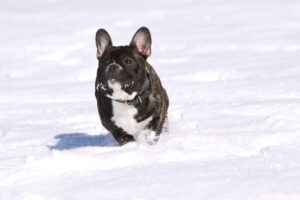 French Bulldogs are playful, loving, and full of personality. However, cold winter weather can create challenges for these small dogs. While some French Bulldogs enjoy playing in the snow, others prefer staying warm indoors. Therefore, understanding how to protect your French Bulldog during winter is important.
At Rabbiosi’s French Bulldogs, we believe every French Bulldog deserves a happy, healthy, and comfortable life. As a family-owned breeder since 2014, we understand the importance of proper care throughout the year. Whether your French Bulldog loves snow or avoids the cold, knowing how to handle winter weather helps keep your pet safe.
Snow can offer new sights, smells, and experiences for your French Bulldog. However, their short coats, compact bodies, and unique breathing systems require extra attention. With proper preparation, your furry companion can enjoy winter activities while staying comfortable.
Can French Bulldogs Play in the Snow?
Yes, French Bulldogs can play in the snow. However, they should only spend short periods outdoors in cold weather. Their small bodies and short coats make it difficult to stay warm for long periods.
Unlike breeds with thick winter coats, French Bulldogs have limited protection against freezing temperatures. Therefore, they can become cold quickly, especially when snow touches their stomachs and paws.
Some French Bulldogs enjoy exploring fresh snow. They may jump, sniff, and chase snowflakes. However, others dislike the cold and want to return inside immediately.
Every French Bulldog has a different personality. As a result, owners should watch their dogs closely and respect their comfort levels.
At Rabbiosi’s French Bulldogs, we encourage owners to introduce new experiences slowly. This approach helps build confidence while protecting their dogs from unnecessary stress.
Why French Bulldogs Are Sensitive to Cold Weather
French Bulldogs have several physical traits that make winter weather challenging. First, their short coats provide less insulation than the thick fur of many other breeds.
Additionally, their compact bodies sit close to the ground. As a result, snow and icy surfaces can quickly chill their stomachs and legs.
French Bulldogs also have short noses and flat faces. This feature makes them a brachycephalic breed. Therefore, their breathing systems require special attention during physical activity and extreme weather.
Cold air may irritate their airways. Furthermore, running through deep snow can make breathing more difficult.
Because of these challenges, owners should avoid long outdoor play sessions during freezing weather.
How Cold Is Too Cold for French Bulldogs?
French Bulldogs have different levels of cold tolerance. However, temperatures near freezing require extra care.
When temperatures drop below 45°F, some French Bulldogs may begin feeling uncomfortable. Additionally, wind, rain, and snow can make conditions feel much colder.
Temperatures around 32°F or below increase the risk of cold-related problems. Therefore, outdoor trips should remain very brief, especially for puppies, older dogs, and dogs with health concerns.
There is no single safe temperature for every French Bulldog. Instead, owners should consider their dog’s age, health, coat, activity level, and weather conditions.
Watch for warning signs such as:
-
Shivering or trembling
-
Lifting paws off the ground
-
Whining or acting uncomfortable
-
Walking slowly or refusing to move
-
Seeking shelter or trying to return indoors
-
Becoming weak or unusually tired
If your French Bulldog shows these signs, bring them inside immediately. Additionally, contact your veterinarian if symptoms continue or your dog appears weak, confused, or unusually sleepy.
Dressing Your French Bulldog for Snow
Winter clothing can help French Bulldogs stay warmer during short outdoor adventures. However, choosing the right clothing is important.
A comfortable winter coat should cover the chest and back without restricting movement. Additionally, the material should help protect against wind and moisture.
Look for jackets that offer warmth without adding too much weight. Furthermore, make sure the coat fits properly around the neck and shoulders.
Avoid clothing that presses against the throat or makes breathing difficult.
A good winter jacket should provide:
-
Warm insulation for cold temperatures
-
Water-resistant material for snowy conditions
-
A comfortable fit around the chest
-
Freedom to walk and play
-
Easy access for bathroom breaks
-
Reflective details for better visibility
Although clothing helps, it does not make long exposure to freezing weather safe. Therefore, always limit outdoor time.
Protecting French Bulldog Paws in the Snow
Snow and ice can cause problems for your French Bulldog’s paws. In addition, road salt and chemical ice melters may irritate sensitive paw pads.
During winter walks, snow can collect between the toes. As a result, your dog may experience discomfort or irritation.
Dog boots can provide an extra layer of protection. However, some French Bulldogs need time to become comfortable wearing them.
Start by allowing your dog to wear boots indoors for a few minutes. Then, offer treats and praise to create a positive experience.
If your French Bulldog dislikes boots, consider a veterinarian-approved paw balm. Additionally, avoid walking across heavily salted sidewalks whenever possible.
After every snowy outing, gently clean and dry your dog’s paws. Pay special attention to the spaces between the toes.
This simple habit helps remove salt, dirt, and moisture before they cause irritation.
Introducing Your French Bulldog to Snow for the First Time
A French Bulldog’s first experience with snow can be exciting. However, new sounds, textures, and temperatures may also feel strange.
Start with a short visit to a safe, enclosed outdoor area. Then, allow your dog to explore at their own pace.
Avoid forcing your French Bulldog into deep snow. Instead, choose an area with only a light covering.
Use positive encouragement and treats to make the experience enjoyable. Additionally, keep your dog close so you can watch for signs of discomfort.
Some French Bulldogs immediately begin playing. Others may stand still and study their surroundings.
Both reactions are normal. Therefore, patience is important when introducing snow.
At Rabbiosi’s French Bulldogs, we believe positive experiences help puppies develop into confident companions. Gentle introductions to new environments support healthy social development.
Fun Snow Activities for French Bulldogs
Snow can provide entertainment for French Bulldogs when weather conditions allow. However, activities should remain gentle and brief.
One enjoyable activity involves tossing a favorite toy onto a shallow patch of snow. Your French Bulldog can then retrieve it while exploring the new surface.
Another option involves walking through a small cleared path. This activity allows your dog to experience snow without struggling through deep areas.
You can also create a simple scent game. For example, place a few treats in a clean, shallow area of snow where your dog can easily find them.
However, avoid encouraging your French Bulldog to eat large amounts of snow.
Keep outdoor games short and monitor breathing throughout the activity. Furthermore, stop immediately if your dog becomes tired, cold, or uncomfortable.
Remember, winter play should focus on enjoyment rather than exercise intensity.
Why Deep Snow Can Be Dangerous
Deep snow creates additional challenges for French Bulldogs. Because they have short legs, moving through deep snow requires more effort.
Additionally, snow can press against their chest and stomach. This contact may cause their body temperature to drop more quickly.
Deep snow can also hide rocks, holes, and other hazards. Therefore, owners should inspect outdoor areas before allowing their dogs to explore.
Avoid letting your French Bulldog jump into large snowbanks. Instead, provide a cleared path where walking feels easy.
If your dog struggles to move, carry them to a safe location.
Most importantly, never leave a French Bulldog unattended outdoors during snowy weather.
Recognizing Hypothermia in French Bulldogs
Hypothermia occurs when a dog’s body temperature drops dangerously low. Unfortunately, French Bulldogs can develop this condition after too much exposure to cold weather.
Early signs may include shivering, weakness, and unusual behavior. Additionally, affected dogs may become slow or unwilling to walk.
As hypothermia becomes more serious, dogs may develop shallow breathing, confusion, or extreme tiredness. Shivering may even stop.
If you suspect hypothermia, bring your French Bulldog indoors immediately. Next, wrap them in dry blankets and begin gentle warming.
Avoid placing heating pads or very hot water directly against their skin. Instead, use gradual warmth while seeking emergency veterinary care.
Because hypothermia can become life-threatening, do not wait for symptoms to improve on their own.
Can French Bulldogs Get Frostbite?
Yes, French Bulldogs can develop frostbite during exposure to freezing temperatures. Their ears, paws, and tails are especially vulnerable.
Frostbite occurs when extreme cold damages skin and underlying tissue. As a result, affected areas may become painful, pale, swollen, or discolored.
However, signs may not appear immediately.
If you suspect frostbite, move your dog into a warm environment and contact a veterinarian promptly. Additionally, avoid rubbing the affected skin because this may cause further damage.
Never use direct heat to warm frostbitten areas.
Prevention remains the best approach. Therefore, limit exposure to freezing temperatures and protect your dog’s sensitive body parts.
Keeping French Bulldog Puppies Safe in Winter
French Bulldog puppies require special care during cold weather. Their small bodies lose heat quickly, and they may have difficulty staying comfortable outdoors.
Additionally, puppies are still developing their ability to handle changes in temperature.
Keep outdoor bathroom breaks short during snowy conditions. Furthermore, provide a warm indoor space where puppies can rest after each outing.
Use soft bedding away from cold floors and drafts. However, avoid overheating their sleeping areas.
Young puppies should not spend long periods playing in the snow. Instead, introduce outdoor winter experiences slowly as they grow.
At Rabbiosi’s French Bulldogs, our puppies grow up in a loving home environment. We focus on proper nutrition, health testing, and early care to help them develop into healthy family companions.
Caring for Senior French Bulldogs During Snowy Weather
Older French Bulldogs may have additional challenges during winter. For example, senior dogs sometimes experience joint stiffness or reduced mobility.
Cold temperatures can make existing discomfort more noticeable. Therefore, older dogs may prefer shorter walks and warmer indoor environments.
Additionally, icy sidewalks increase the risk of slipping and falling.
Choose safe walking surfaces whenever possible. Furthermore, consider supportive bedding that helps older dogs rest comfortably.
Senior French Bulldogs may also need more time to warm up after outdoor activities.
Watch for changes in movement, appetite, or behavior. If your older French Bulldog seems uncomfortable, consult your veterinarian.
Keeping Your French Bulldog Warm Indoors
A warm indoor environment helps French Bulldogs stay comfortable throughout winter. However, maintaining a safe temperature is only part of winter care.
Provide a soft bed away from doors, windows, and cold drafts. Additionally, consider placing blankets in your dog’s favorite resting areas.
Some French Bulldogs enjoy curling up beneath lightweight blankets. However, always allow them to move freely and avoid overheating.
Keep beds away from fireplaces, portable heaters, and other hot surfaces.
If your home has tile or hardwood floors, provide rugs or mats for extra comfort.
Furthermore, make sure your French Bulldog always has access to fresh drinking water.
Indoor heating can create dry air. Therefore, watch for dry skin and consult your veterinarian if irritation develops.
Winter Nutrition and Hydration for French Bulldogs
Proper nutrition supports your French Bulldog’s health throughout the year. However, winter may change activity levels and daily routines.
Some French Bulldogs become less active during cold weather. As a result, they may need fewer calories to maintain a healthy weight.
Avoid increasing food portions simply because temperatures have dropped.
Instead, monitor your dog’s body condition and discuss feeding adjustments with your veterinarian.
At Rabbiosi’s French Bulldogs, we value high-quality nutrition. We have used Volhard Nutrition to support our dogs’ nutritional needs.
Additionally, fresh water remains essential during winter. Dogs still need regular hydration even when temperatures are cold.
Provide clean drinking water throughout the day. Furthermore, avoid allowing your French Bulldog to drink from puddles that may contain road chemicals.
Cleaning Your French Bulldog After Snow Play
Winter outings often leave dogs wet and dirty. Therefore, cleaning your French Bulldog after outdoor activities helps protect their skin and paws.
Start by gently wiping snow and moisture from the legs, stomach, and chest.
Next, inspect the paws for ice, salt, or small pieces of debris. Use lukewarm water when needed to remove winter chemicals.
Dry your dog thoroughly with a soft towel. Additionally, check the skin folds around the face and neck for trapped moisture.
French Bulldogs have sensitive skin. As a result, leaving moisture in their folds may contribute to irritation.
Avoid frequent full baths unless necessary. Instead, focus on cleaning the areas exposed to snow and dirt.
If your dog develops redness, itching, or discomfort, contact your veterinarian.
Indoor Activities When Snow Keeps Your French Bulldog Inside
Some winter days are simply too cold for outdoor play. Fortunately, French Bulldogs can enjoy many activities indoors.
Interactive toys provide mental stimulation without requiring intense exercise. Additionally, puzzle feeders encourage problem-solving skills.
You can also practice basic commands such as sit, stay, and come. Short training sessions help strengthen communication between dogs and owners.
Consider these indoor activities:
-
Hide-and-seek with favorite toys
-
Gentle indoor fetch
-
Puzzle toys and treat games
-
Basic obedience training
-
Scent games using hidden treats
-
Supervised play with soft toys
-
Short walks through safe indoor spaces
However, avoid games that encourage excessive jumping or rough movement.
French Bulldogs can experience spinal and joint problems. Therefore, low-impact activities are usually the better choice.
Most importantly, watch your dog’s breathing and allow frequent rest periods.
Traveling With French Bulldogs During Winter
Winter travel requires planning, especially when snow and ice cover the roads.
Before leaving home, check weather conditions and road safety. Additionally, pack warm bedding, drinking water, food, and any necessary medications.
Use a secure travel crate or properly fitted vehicle restraint. Furthermore, maintain a comfortable temperature inside the vehicle.
Never leave your French Bulldog alone in a parked car during freezing weather. Vehicle interiors can become dangerously cold.
During longer trips, schedule short bathroom breaks in safe areas.
Avoid icy parking lots and heavily salted surfaces whenever possible.
If your French Bulldog becomes wet during a stop, dry them before continuing your journey.
Common Winter Mistakes French Bulldog Owners Should Avoid
Even caring owners can make mistakes during winter. However, understanding common problems makes prevention easier.
One mistake involves allowing French Bulldogs to remain outside too long. Although your dog may appear excited, cold exposure can still become dangerous.
Another mistake involves skipping paw cleaning after walks. Unfortunately, salt and ice-melting chemicals can irritate paws and may cause problems if dogs lick them.
Owners should also avoid forcing dogs to wear uncomfortable clothing. Instead, choose properly fitted winter gear.
Additionally, never assume a French Bulldog can tolerate cold weather because other dogs enjoy snow.
Every breed has different needs. Therefore, winter activities should match your French Bulldog’s physical abilities.
Frequently Asked Questions About French Bulldogs in the Snow
Do French Bulldogs like snow?
Some French Bulldogs enjoy playing in the snow, while others dislike cold weather. Therefore, owners should observe their dog’s reactions and allow them to choose whether to explore.
How long can French Bulldogs stay outside in the snow?
There is no universal safe time limit. However, snowy outings should remain brief, especially during freezing temperatures. Bring your dog inside at the first sign of discomfort.
Should French Bulldogs wear coats in winter?
Yes, many French Bulldogs benefit from warm, properly fitted winter coats. Additionally, water-resistant materials help protect against snow and moisture.
Do French Bulldogs need snow boots?
Snow boots can help protect sensitive paws from ice, salt, and freezing surfaces. However, some dogs prefer paw balm and short walks on cleared paths.
Can French Bulldog puppies play in the snow?
Puppies can experience snow during very brief, supervised outings when conditions are suitable. However, young puppies are especially sensitive to cold temperatures.
Can French Bulldogs eat snow?
A small amount of clean snow may not cause problems. However, owners should discourage snow eating because it may contain salt, chemicals, or other harmful substances.
Can French Bulldogs sleep outside during winter?
No. French Bulldogs should sleep indoors in a warm, comfortable environment. Their short coats and breathing needs make outdoor winter sleeping unsafe.
What should I do if my French Bulldog starts shivering?
Bring your dog indoors immediately and dry them if necessary. Then, provide gentle warmth. If shivering continues or your dog appears weak, contact a veterinarian promptly.
Why Responsible French Bulldog Care Matters
French Bulldogs depend on their owners for protection, comfort, and proper care. Therefore, learning about seasonal risks is an important part of responsible ownership.
Winter brings new challenges, but it also creates opportunities for bonding. With the right preparation, your French Bulldog can enjoy safe outdoor experiences.
At Rabbiosi’s French Bulldogs, we believe responsible breeding and ownership work together. Healthy puppies need loving homes, proper nutrition, regular veterinary care, and daily attention.
Our family-owned breeding program began in 2014 in San Jose, California. Since then, we have focused on raising French Bulldogs with loving personalities, sound structure, and quality care.
Additionally, we use genetic health testing through trusted resources such as UC Davis and Paw Print Genetics.
We want every puppy to become a cherished family companion. Therefore, we encourage new owners to learn about their French Bulldog’s unique needs before bringing a puppy home.
Rabbiosi’s French Bulldogs – Helping Your French Bulldog Enjoy Winter Safely
French Bulldogs bring happiness, laughter, and companionship to their families throughout every season. Although snowy weather can be exciting, protecting your dog from the cold should always come first.
With warm clothing, clean paws, short outdoor visits, and careful supervision, many French Bulldogs can safely experience a little winter fun.
However, remember that every dog has different limits. Some French Bulldogs love exploring shallow snow, while others prefer a warm blanket and a comfortable couch.
At Rabbiosi’s French Bulldogs, we understand how special these companions are. Our goal is to help families enjoy healthy, loving French Bulldogs for years to come.
Whether your French Bulldog enjoys snowy adventures or prefers staying indoors, proper winter care makes all the difference.
Rabbiosi’s French Bulldogs is dedicated to raising healthy, happy, and loving French Bulldogs while helping families understand the care these wonderful companions deserve.